


Connecting Classrooms to Careers: How QMEA and Industry Are Shaping Future Skills
In the Greater Whitsunday region, preparing young people for future careers starts with helping them understand what opportunities exist and how today’s learning connects to real-world jobs. Through the work of the Queensland Minerals and Energy Academy (QMEA) — the education arm of the Queensland Resources Council — students across Mackay are gaining meaningful exposure to the skills, technologies and pathways that underpin the resources and energy sector, and increasingly, the broader STEM workforce.
QMEA plays a key role in connecting schools with industry, working alongside the Queensland Resources Council and its member companies to help young people better understand how the sector operates and the diverse careers it offers. By linking education with real-world industry context, QMEA helps ensure students are learning skills that are relevant to both local employment opportunities and future workforce needs.
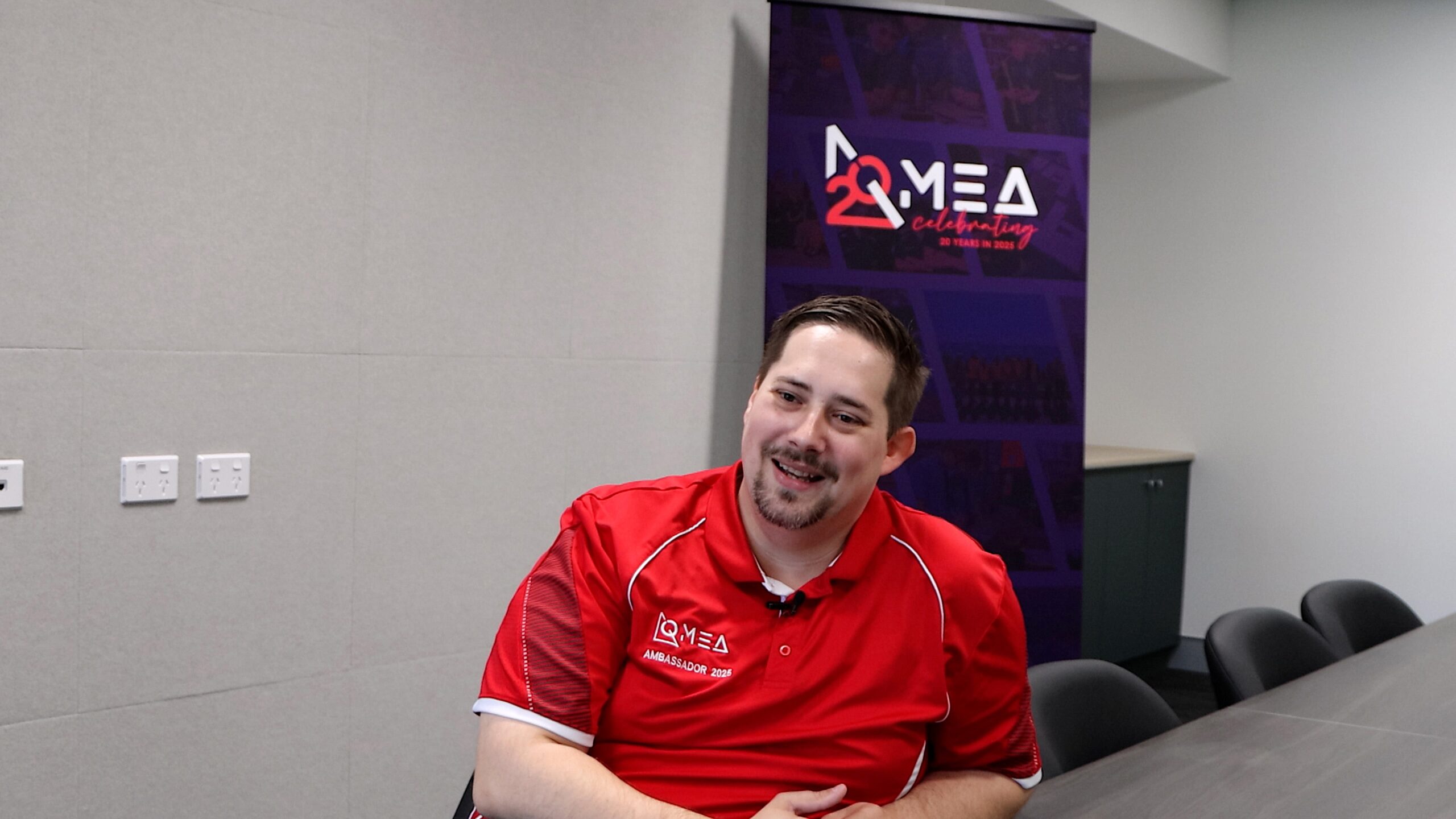
“Learning why what they are learning matters, and how it applies to the jobs and careers they’re interested in, is really what drives a lot of the work that we do,” Alex says.
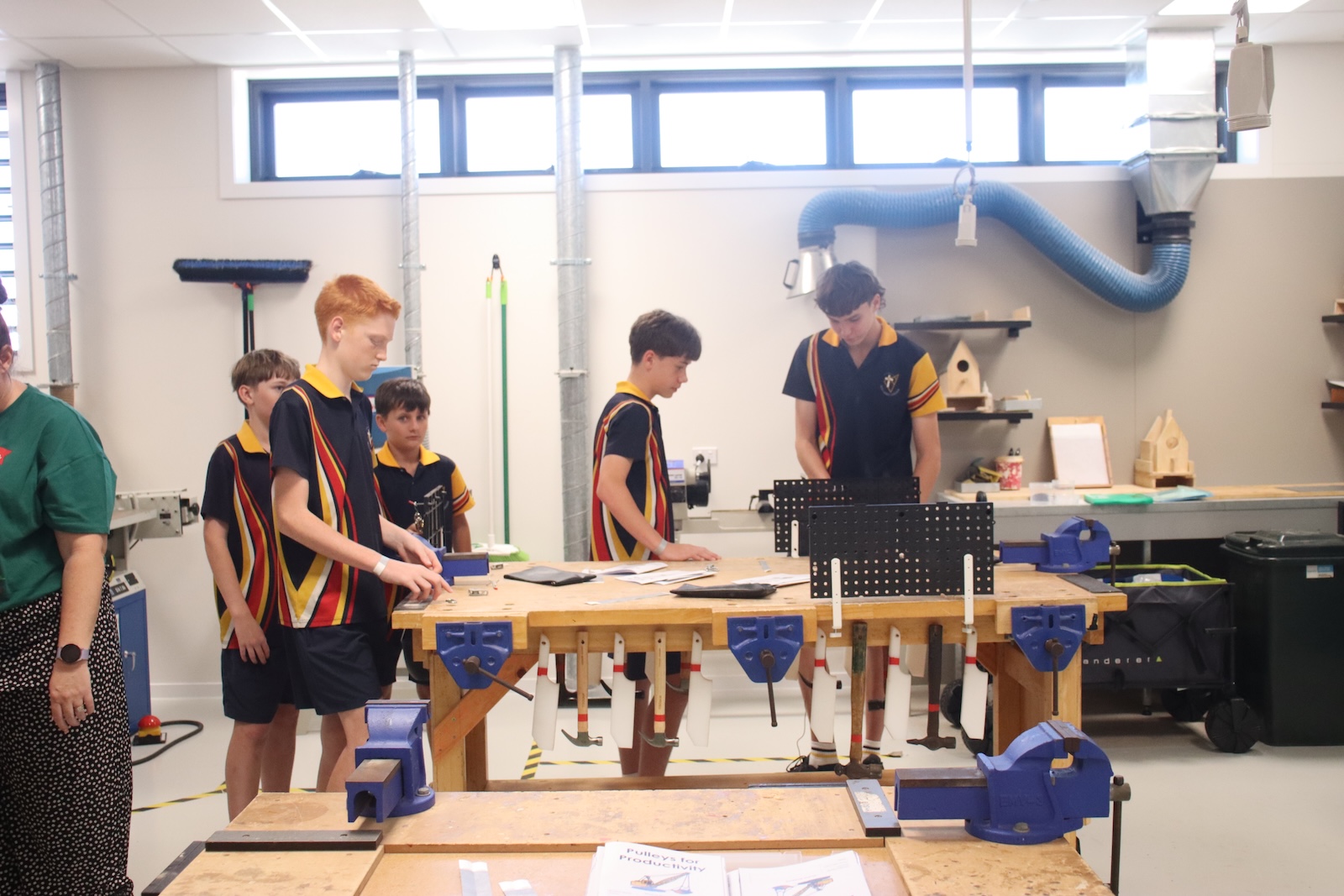
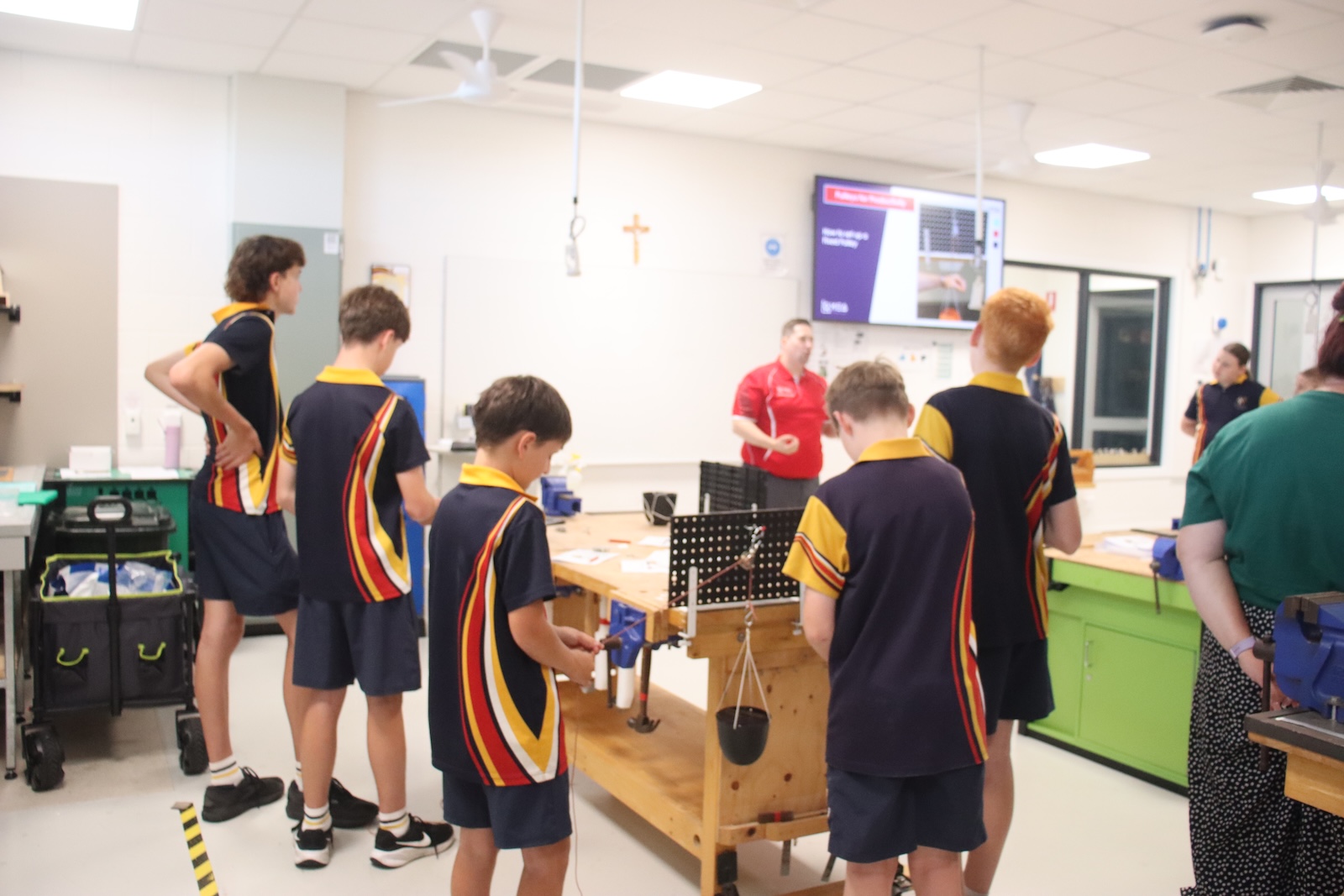
Across high schools in the region, QMEA delivers hands-on, interactive workshops that connect STEM subjects to practical industry applications. Students explore physics through heavy machinery systems, learn about logistics and material movement, experiment with coding and circuitry, and examine the chemistry behind how resources are extracted and processed. The focus is not on teaching students about mining in isolation, but on building foundational skills that apply across engineering, technology, science and trade-based careers.
“The biggest feedback we get from schools is that students love seeing how what they’re learning in class actually relates back to the real world,” Alex explains. “It’s not just learning something because they have to — it has meaning, and it helps them understand how to do a job well.”
QMEA Workshops
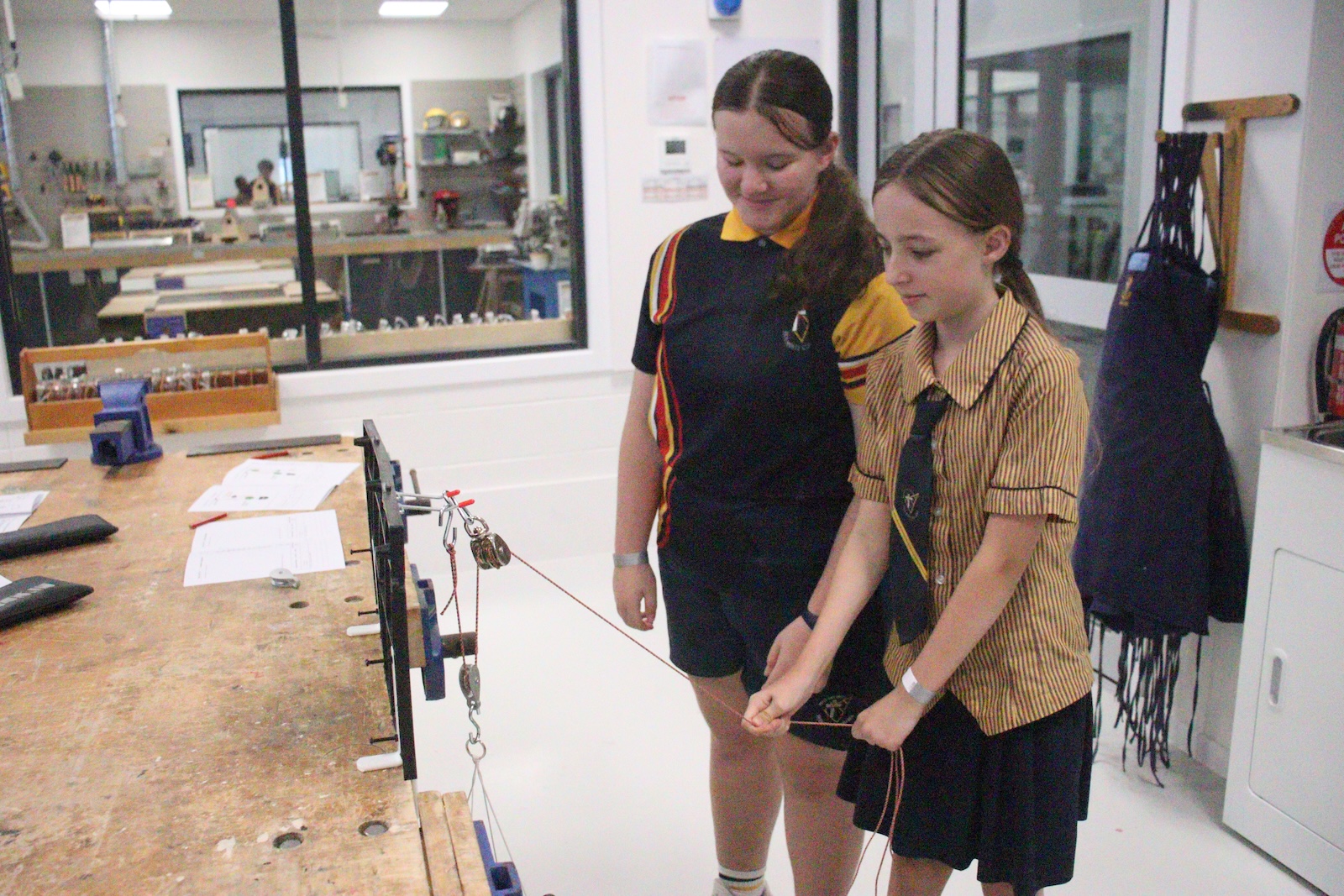
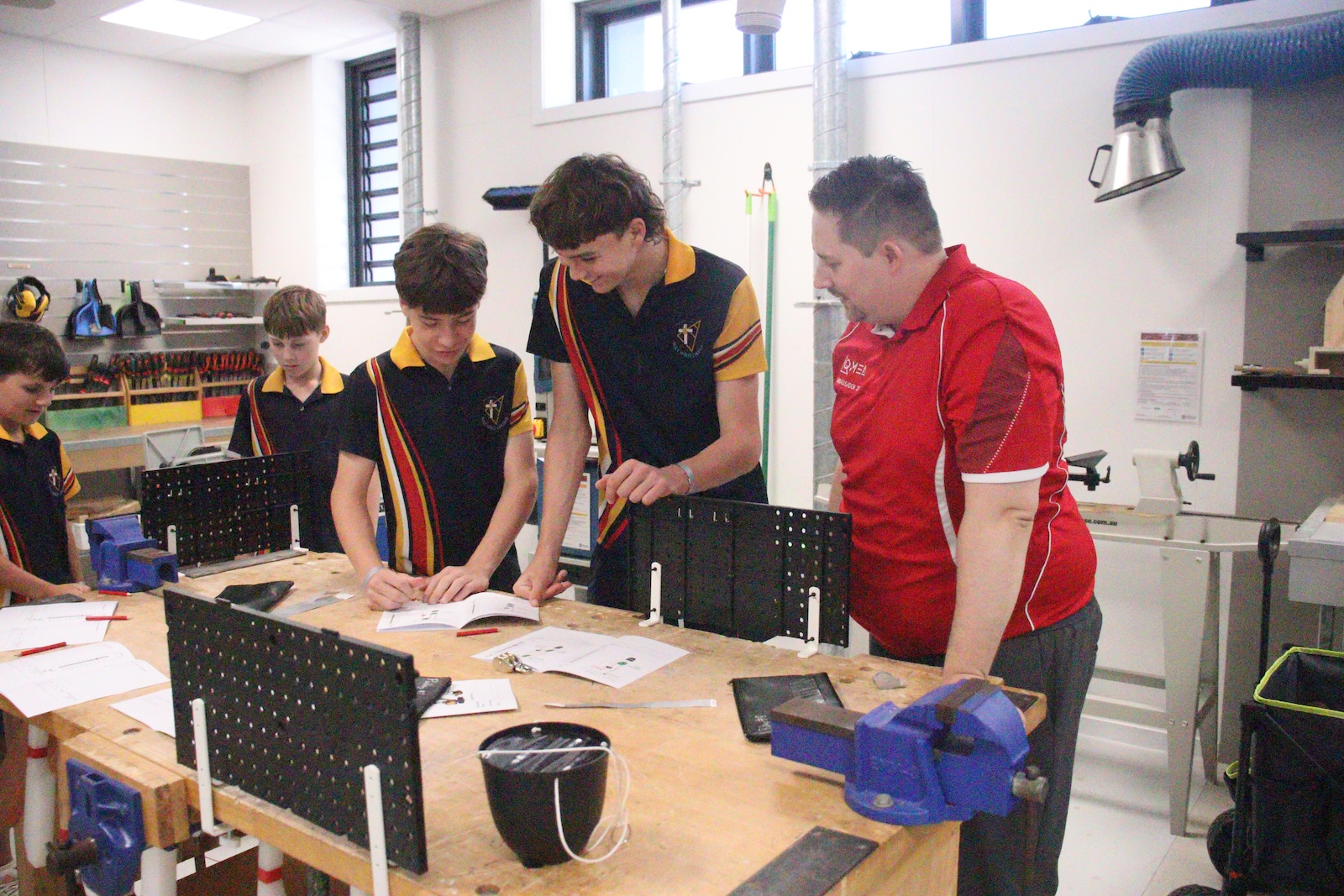

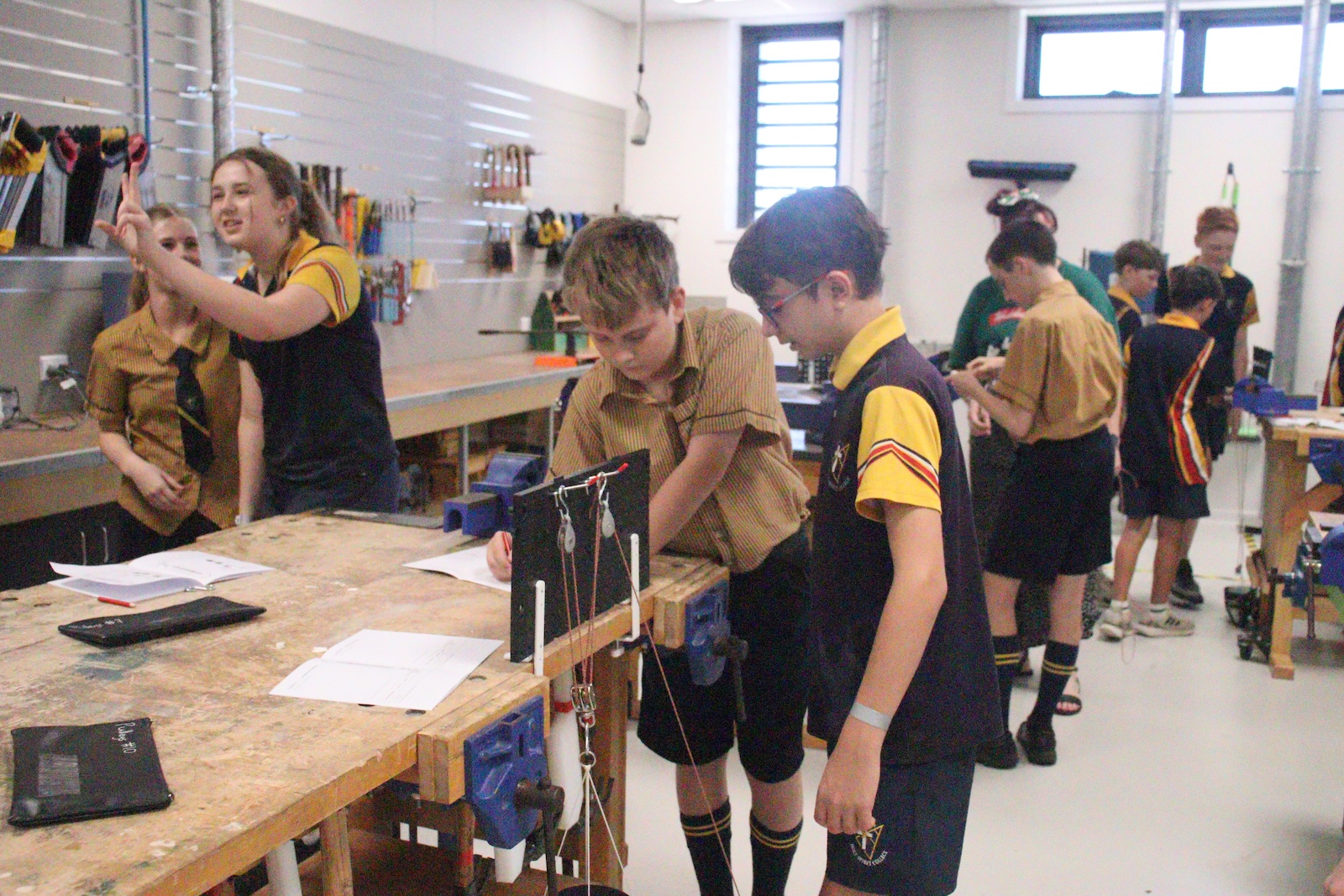
A key part of QMEA’s role, supported by the Queensland Resources Council, is also challenging misconceptions about the resources sector. Many students — and parents — still associate mining and energy with a narrow set of operational roles. Alex works to broaden that understanding by showing students just how diverse the workforce really is.
“Working in the resource sector isn’t just about being onsite with machinery,” he says. “There’s a huge amount of support that goes into making those operations run — engineers, designers, maintenance specialists, logistics and supply chain roles, environmental scientists, HR professionals, trainers, lawyers, and increasingly roles in areas like drone operations, automation and augmented reality.”
As technology continues to reshape mining and energy, QMEA places strong emphasis on innovation, sustainability and continuous improvement. Students are introduced to emerging technologies and encouraged to think about how new tools and systems can make operations safer, more efficient and more environmentally responsible.
“As an industry, we’re always looking to innovate and implement new technologies to do things better,” Alex says. “What I really try to focus on is getting students to see that we want their ideas — their perspectives on how technology might impact the industry. That gives them a hook to want to pursue these careers and be the ones who bring new thinking into the sector.”
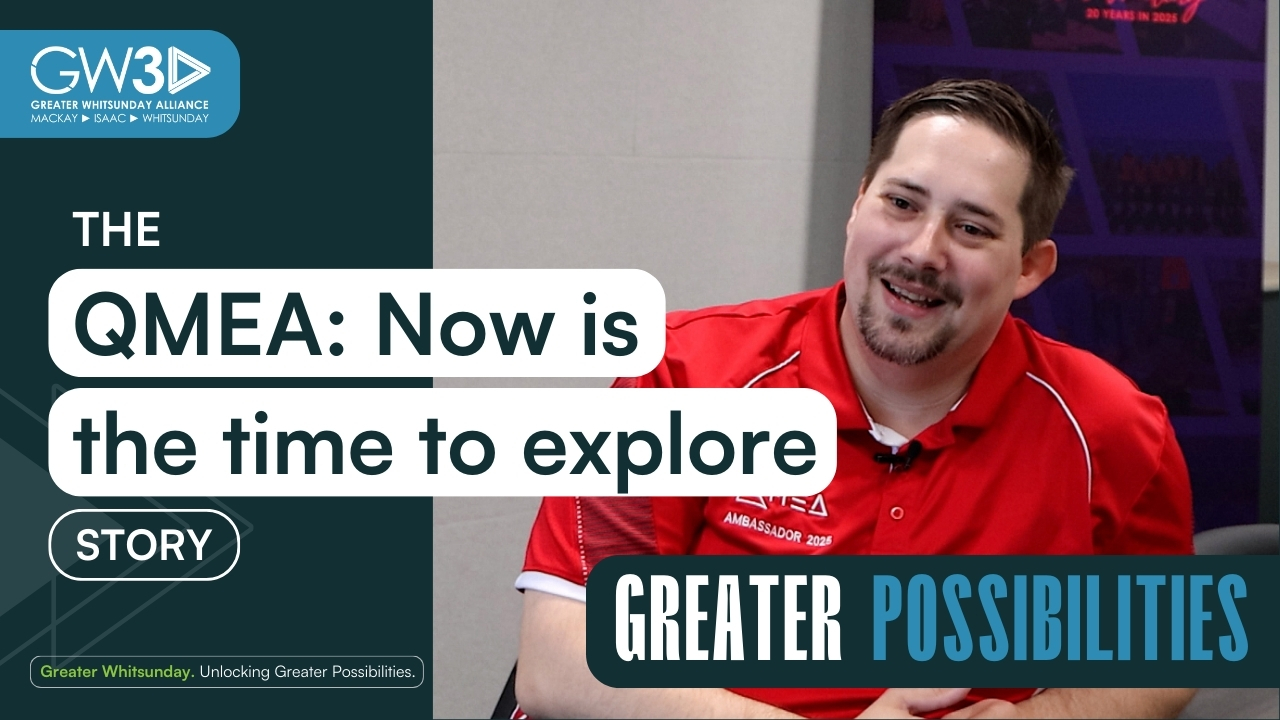
For students in Mackay and the wider Greater Whitsunday region, this localised, industry-connected approach is particularly important. The resources sector plays a major role in the regional economy and workforce and understanding how local industries operate helps young people make more informed decisions about education and training pathways.
“If students plan to live and work in the region, it’s important they understand what industries are here and what skills those industries need,” Alex says. “Knowing how the region functions and what it thrives on helps them see where they might fit.”
QMEA’s footprint in the region continues to grow. Currently engaging with more than a dozen schools through programs such as Gateway to Industry Schools, the Academy has plans to significantly expand its reach over the coming years, including introducing younger students to STEM concepts earlier to spark curiosity before key subject and career decisions are made.
When asked what advice he would give to young people thinking about their future, Alex encourages exploration and flexibility. “Try and see what’s out there. Explore as many options as you can,” he says. “And don’t be afraid to change direction. If something isn’t for you, try something else until you find what you really enjoy.”
Through QMEA’s work in Mackay, supported by the Queensland Resources Council, students are not only learning about STEM and the resources sector — they are learning how education connects to opportunity, but how industries are also evolving, and how their future skills can play a role in shaping the region they live in.